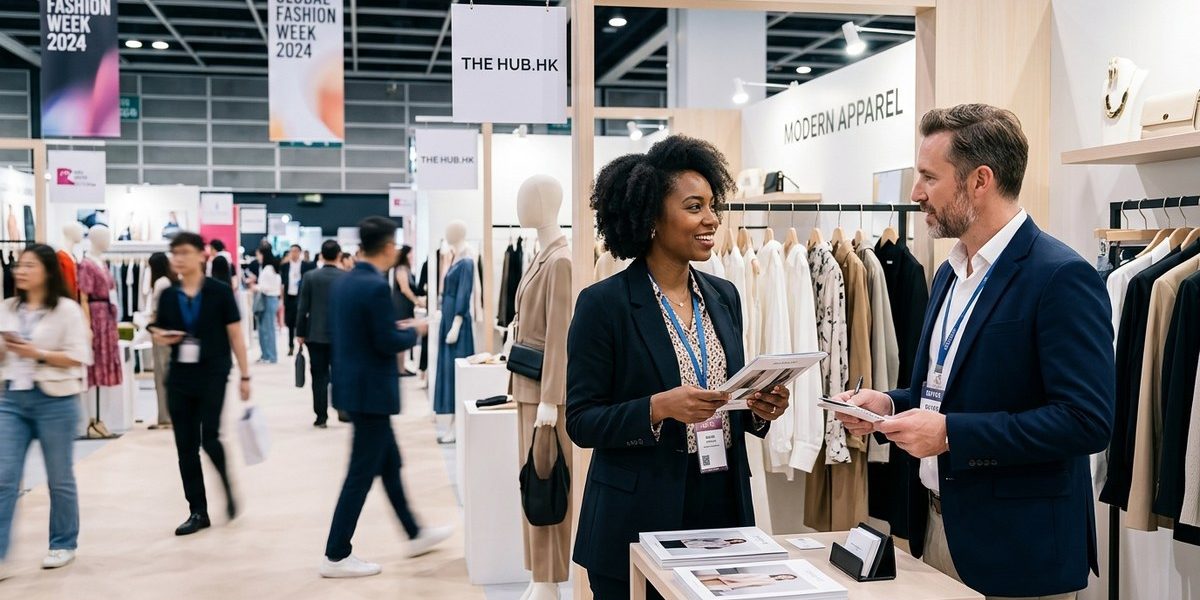
Networking at fashion trade shows is more than just collecting business cards. It is about creating meaningful connections that translate into opportunities for growth, collaborations, and long term partnerships. At TheHub.hk, we know that the right handshake can open doors to global markets, especially in a fast moving industry where brands, exhibitors and buyers converge to influence the next season. In this guide, you will find actionable, SEO friendly tips designed for brands and exhibitors who want to maximize their time on the trade show floor. Whether you are launching a new collection, scouting for strategic partners, or simply exploring visitor benefits, these tips will help you stand out in a crowded hall and build relationships that endure beyond the event.
Why networking matters at fashion trade shows
Networking is the heartbeat of any successful fashion trade show experience. Here is why it matters:
- It accelerates deal flow. A well timed conversation can lead to a wholesale order, a collaboration, or access to restricted distribution channels.
- It builds brand equity. The way you present your story, your booth and your staff shapes how buyers perceive your brand.
- It expands your reach. Meeting planners and event organizers often connect exhibitors with decision makers who attend multiple shows.
- It delivers insights. Direct conversations reveal what buyers are seeking, what trends are resonating and where you can add value.
To make the most of networking, you need a plan that spans pre show, on site and post show activities. It is not a one day exercise; it is a momentum building process that can set the tone for the season.
Pre show planning: setting goals and outreach
The foundation of successful networking is clear goals and a proactive outreach strategy before you step onto the show floor.
Define clear objectives
Before you register your booth materials, ask yourself these questions:
- What is my primary objective for this show? Is it to secure new buyers, meet potential partners, or gather feedback on a product line?
- Which markets are we prioritizing this year? Europe, North America, Asia or a mix?
- What is the minimum number of qualified conversations we want to achieve per day?
Write these goals down and align your team so everyone is chasing the same outcomes.
Build a target list of contacts
Create a master list of ideal guests. Include buyers from target retailers, press, influencers, and potential distributors. For each contact, add:
- Company name and location
- Known decision maker or contact person
- Market segment and buyer type (wholesale, retail, e commerce)
- How you plan to approach them (email, social, referral)
Use a few outreach methods ahead of time:
- Personalized emails introducing your brand and a value proposition
- Social media touches that reference recent collections or press coverage
- Referrals from existing partners or mutual connections
Schedule meetings in advance
If possible, secure meetings during the show. Many brands use the show app to request meetings with buyers. Here is a simple framework:
- Send a concise meeting request stating your objective and what you can offer
- Propose two time slots and ask for availability
- Confirm location, whether it is at your booth or a private reception area
- Share a short agenda to respect the buyer’s time
Remember to follow up if you do not receive a response within a few days. A gentle reminder can yield a meeting that would not have happened otherwise.
Prepare your exhibitor kit
Your exhibitor kit should reflect your brand story and include:
- A one page brand overview with your key collections and price ranges
- A short, compelling elevator pitch
- High quality product images and line sheets
- Printed business cards and a digital version for QR code sharing
- A robust display sample of preferred fabrics, textures or finishes
Craft your elevator pitch and business cards
In the world of trade shows, the elevator pitch is your fastest route to a productive conversation.
Elevator pitch tips
- Keep it to 20 seconds or less. Start with your brand name, what you offer, and the outcome buyers can expect.
- Focus on benefits, not features. Explain how your collection solves a buyer problem or fills a market need.
- Tailor the pitch to the listener. A luxury boutique buyer may care about craftsmanship and provenance while a mass retailer may care about volume and reliability.
- End with a call to action. Invite them to a product demo at your booth or propose a follow up call after the show.
Digital business cards and QR codes
Convert every touch point into a digital exchange:
- Use a QR code on your badge or table signage that links to a clean landing page with your line sheet and contact form
- Provide a short, downloadable product catalog in PDF or a mobile friendly lookbook
- Collect permission to follow up and share updates about new collections
During the show, you want to minimize friction in exchanging information. The easier you make it to connect, the more conversations you will have.
Booth design and branding that invites conversations
Your booth is a conversation starter. It should invite buyers to stop, look, and ask questions.
Visual storytelling
Tell a clear story at a glance:
- Use a bold, concise headline that communicates your niche and value
- Show your best selling item or a capsule collection in the centerpiece
- Use cohesive color palettes and materials that reflect your brand personality
- Include a short, readable wall panel with key product benefits, pricing options, and lead magnets
Interactive demos and tech
Consider ways to showcase your product in motion:
- Live demonstrations of fabric performance, wash tests, or sustainable sourcing
- Short video loops showing manufacturing process or brand origin story
- Tablets or touch screens with digital lookbooks or virtual try on experiences
- A simple, unobtrusive AR feature that lets buyers visualize the product in a setting
Staffing with purpose
Your booth staff should be friendly, knowledgeable and aligned with your goals:
- Train staff to deliver the elevator pitch consistently
- Assign roles: one greeter, one product specialist, one admin for leads
- Encourage staff to collect contact information and record buyer needs after each interaction
At the show: effective networking strategies
On site is where preparation meets action. Use these strategies to maximize every minute.
Start conversations with intention
Begin with a warm greeting and a tailored observation:
- Reference a recent collection update or a specific design detail you noticed
- Ask open ended questions about the buyer’s current assortment and gaps
- Offer a quick value proposition that speaks to their business need
Scheduling meetings with brands and buyers
If you are a buyer seeking new suppliers or a brand seeking partnerships, use a formal but friendly approach:
- Propose a time slot during non peak hours to avoid long lines
- Suggest a short agenda with topics like order volumes, lead times, minimums, and exclusive collection access
- Confirm the meeting location, whether in your booth or a private meeting area
- Thank them after the meeting with a summary of next steps
Body language and etiquette
Nonverbal communication plays a big role:
- Stand with an open posture and maintain comfortable eye contact
- Avoid crossing arms or looking constantly at your phone
- Smile, listen actively and show genuine interest in the other party
- Respect time. If a buyer is busy, offer to schedule a longer conversation later or leave a concise note
Collecting and organizing contact info
Turn every encounter into a potential relationship:
- Use a standardized lead capture method, whether it is a digital form or a business card scanner
- Immediately note key buyer needs and potential follow up actions
- Tag contacts by category (buyer, press, distributor) for easier post show follow up
Post show follow up: turning connections into opportunities
A strong follow up plan can transform a show of many conversations into tangible deals.
24 to 48 hour plan
- Send a personalized follow up email that references a specific conversation
- Attach or link to your line sheet, lookbook, or a timely offer
- Propose a follow up call or a product sample, if relevant
- Share an invitation to connect on LinkedIn or other professional networks
Nurturing relationships over time
Not every lead will convert immediately. Use a steady cadence:
- Schedule a monthly touch point with relevant updates such as new collections or price changes
- Invite select buyers to private previews or showrooms
- Share sustainability and supply chain improvements that demonstrate ongoing value
- Keep your tone helpful and consultative rather than pushy
Digital tools to boost networking
Technology can amplify your networking impact on and off the show floor.
TheHub.hk features for exhibitors and visitors
As a fashion trade hub connecting brands and exhibitors with visitors, TheHub.hk offers:
- A centralized directory of brands and buyers to facilitate matchmaking
- Showcasing tools for digital lookbooks, line sheets and product photography
- Meeting planning features and scheduled show floor chats
- Resources on sustainable trade show practices and visitor benefits
Leverage these features to pre select the most promising conversations and plan your on site route efficiently.
Apps and platforms for on site matchmaking
- Show floor mapping and attendee search tools to identify who to connect with
- In booth scheduling software that enables quick bookings with your preferred meeting times
- Digital lead capture and CRM integration to streamline follow up
Sustainability and responsible trade show practices
Sustainability is increasingly at the core of fashion trade shows. Practicing sustainable networking not only aligns with shopper expectations but also reflects positively on your brand.
Green booths
- Use recyclable or reusable display materials
- Source sustainable signage and packaging options
- Minimize single use plastics in demos and samples
Sustainable materials and messaging
- Highlight sustainable fabrics, ethical production processes and fair labor practices
- Provide clear information about supply chain transparency
- Offer product care guidance to extend the life of your items
Measuring success: KPIs for networking at trade shows
What gets measured gets improved. Use both quantitative and qualitative metrics.
Quantitative metrics
- Number of meaningful conversations per day
- Qualified meetings scheduled and kept
- Lead quality scores (fit with target retailers, buying authority, potential order size)
- Post show follow up rate and conversion rate
- Social media engagement and press inquiries generated by the show
Qualitative feedback
- Buyer feedback on product relevance and presentation
- Staff observations on booth traffic patterns and messaging effectiveness
- Brand perception shifts after the show in terms of clarity and credibility
Practical tips and checklists
A few practical tools help you stay organized and focused.
14 day pre show checklist for brands and buyers
- Define top 5 objectives and target attendee list
- Update digital lookbook and line sheet and test accessibility on mobile
- Prepare elevator pitch and practice with team
- Order printed materials and set up digital lead capture
- Schedule pre show meetings and confirm logistics
- Review sustainability commitments for booths and demos
On site day of show checklist
- Check in early and verify booth setup
- Run through your lead capture workflow with staff
- Stage a short product demo at peak traffic times
- Make time for at least two pre scheduled meetings
- Capture feedback on products and messaging from buyers
Post show 7 day follow up checklist
- Send personalized follow up emails within 48 hours
- Attach lookbooks or line sheets and propose next steps
- Schedule follow up calls or product sample requests
- Update CRM with lead status and next actions
- Share show highlights with the team and plan improvements for next show
The value of human connections in a digital world
Even in an increasingly digital environment, the human element remains crucial. Buyers and brands want to feel seen and understood. A thoughtful conversation, a well presented product story, and a clear plan for how you will work together create trust faster than any brochure can.
Final thoughts: making every handshake count
Trade shows are living networks. They operate at the intersection of opportunity and relationship. If you walk the floor with a clear plan, a compelling story, and a commitment to follow through, you will not just survive the show you will thrive in it. TheHub.hk is here to support you with resources, tools and connections that help brands and exhibitors reach their goals. By focusing on pre show preparation, purposeful on site engagement and proactive post show follow up, you can turn a single conversation into a lasting business relationship.
Whether you are a fashion brand looking to expand into new markets or a buyer seeking innovative partners, the artistry of networking is the craft that helps you build a global fashion horizon. Remember the core ideas:
- Define objectives and target contacts
- Prepare a crisp elevator pitch and engaging materials
- Use a compelling booth experience that invites conversation
- Communicate with intention on the show floor
- Follow up consistently and thoughtfully after the show
TheHub.hk is your ally in this journey. We are dedicated to connecting global fashion and inspiring boundless creativity. As you plan your next trade show, let our platform guide you through the process of meeting planners, visitor benefits, consumer expectations, tech enhanced booths and sustainable trade show brands. Here is to meaningful conversations, mutually beneficial partnerships, and a season of growth built on strong, human connections.