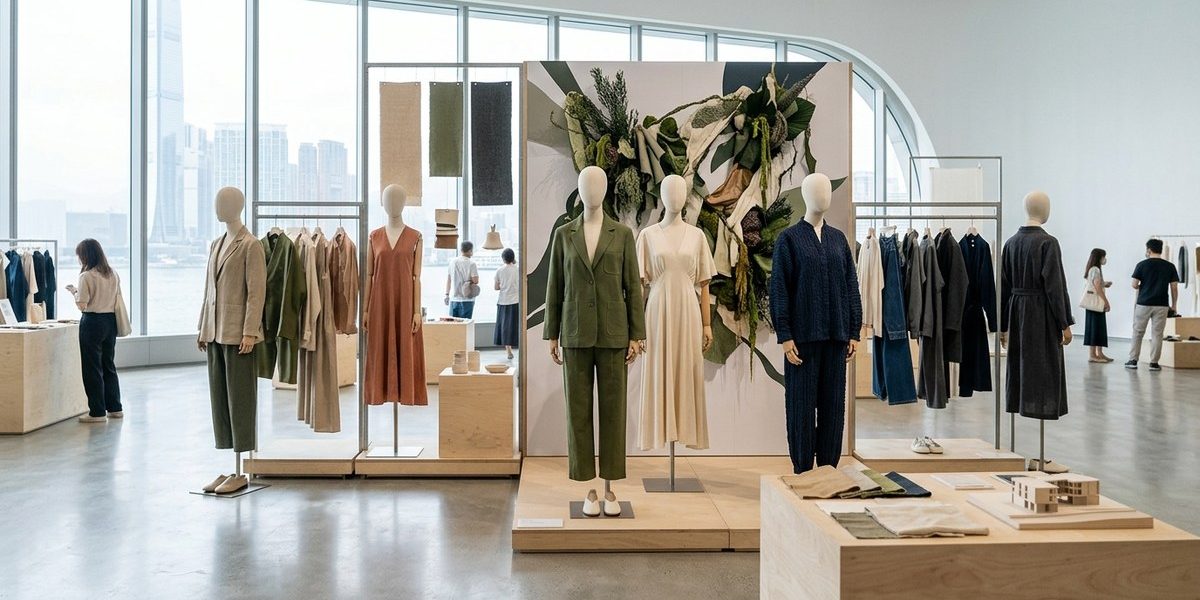
Fashion shows and trade fairs are no longer just about the latest silhouettes or bold prints. In 2026, sustainable fashion exhibitions are evolving into immersive ecosystems where brands prove their commitments, visitors expect verifiable impact, and organizers push for smarter, greener events. At TheHub.hk we connect brands, exhibitors and visitors with guides that demystify the trade show experience. Our focus is on sustainable practices that are real, measurable and that build lasting relationships. If you are preparing for a sustainable fashion exhibition this year, this article is your practical playbook for standing out while staying true to responsible business values.
Why 2026 marks a tipping point for sustainable fashion exhibitions
Sustainability is moving from a marketing tactic to a core business discipline. Regulators are tightening rules around supply chain transparency and waste reduction, while consumers increasingly favor brands that demonstrate credible environmental and social governance. For brands and exhibitors, this means exhibitions are not just about presenting products, but about proving impact in action and offering meaningful experiences that educate visitors on circular practices.
Key shifts to watch this year include:
– Transparent storytelling that connects product claims to verifiable data
– Reduced dependence on disposable materials and a preference for modular, reusable booth assets
– Digital first experiences that minimize printed collateral and on site waste
– On site services that enable repair, reuse and upcycling of fashion items
– Hybrid formats that blend physical presence with virtual engagement to extend reach
As a result, exhibitors who plan with sustainability at the center of their strategy will outperform those who treat it as an afterthought. The Hub’s role is to help brands navigate these shifts with practical guidance that aligns with the needs of meeting planners, visitors and customers.
What brands must know to shine at sustainable fashion exhibitions
1. Align your exhibition goals with clear sustainability claims
Brand messages should be credible and verifiable. Failing to back up claims with data is a common risk that hurts credibility at exhibitions.
Action steps:
– Establish a simple sustainability narrative grounded in measurable outcomes such as material reductions, recycled content, or supply chain improvements.
– Prepare third party verifications or credible certifications for product claims where possible (for example GOTS for textiles, FSC for paper, Cradle to Cradle certification for certain materials).
– Avoid vague statements that cannot be substantiated on site.
2. Design your booth with sustainability at the core
Booth design is a powerful signal of your commitment. A sustainable booth not only looks good, it performs well, reduces waste and can be reused for multiple events.
Action steps:
– Use modular booth systems that can travel and assemble easily across shows.
– Choose recyclable or upcycled materials for structures and graphics.
– Plan for energy efficiency by using LED lighting, daylight optimization where possible, and on site energy sources such as solar powered elements.
– Consider a digital first approach for product catalogs and lookbooks to minimize printed materials.
3. Craft a transparent storytelling narrative
Visitors want the story behind the product, from raw materials to finished item. A clear lifecycle map helps educate attendees and demonstrates your commitment to circularity.
Action steps:
– Develop a product lifecycle map that highlights sourcing, manufacturing, packaging, and end of life options.
– Display supply chain information in an accessible way, such as a QR code linking to transparent supplier data.
– Show real world impact through case studies, metrics and testimonials.
4. Leverage digital experiences to reduce waste
Digital experiences are a win for sustainability and for engagement. They reduce clutter and allow for deeper interaction without environmental cost.
Action steps:
– Provide QR codes for product catalogs and digital lookbooks instead of bulky printed materials.
– Use augmented reality (AR) or virtual try ons to showcase materials and fit without physical samples.
– Integrate an event app that curates personalized agendas, sessions and product recommendations while capturing opt-in data.
5. Optimize logistics and operations for lower footprint
The logistics network around an exhibition is a major source of emissions and waste. Smart planning can cut both.
Action steps:
– Consolidate shipments and collaborate with freight partners that offer carbon offset options.
– Use reusable packaging and provide returnable crates for booth materials.
– Schedule energy efficient freight windows that minimize peak energy demand.
6. Market your sustainable strategy intelligently
Communicate sustainability without sounding preachy. The goal is to invite visitors to participate in a shared journey rather than just talk at them.
Action steps:
– Highlight measurable achievements and future targets with clear timelines.
– Share how your brand supports workers, communities and the environment in your messaging.
– Create interactive experiences around sustainability themes that invite visitors to engage and learn.
7. Ensure compliance and maintain integrity
Claims must be accurate and aligned with industry standards. This protects your brand and supports trust in the exhibition ecosystem.
Action steps:
– Align with recognized sustainability standards and certifications.
– Prepare a claims digest for press and buyers to review during the event.
– Train staff to answer questions honestly and avoid vague or exaggerated statements.
8. Measure impact to inform future decisions
Define success metrics that reflect sustainability and business goals. This helps you iterate for future shows.
Action steps:
– Track waste diversion rates, energy usage, water consumption and transportation emissions attributed to the booth.
– Monitor visitor engagement metrics such as time spent at the booth, QR code scans, and demo requests.
– Collect feedback on the perceived credibility of your sustainability claims.
9. Prepare for contingencies and adaptability
Sustainable exhibitions operate best when they are flexible and resilient to changing conditions.
Action steps:
– Build in spare reusable materials for quick repairs or adjustments.
– Plan for alternative energy solutions in case of power constraints.
– Create a backup plan for digital content delivery in case of connectivity issues.
What visitors now expect from sustainable fashion exhibitions
1. Transparency and traceability
Visitors want to know where materials come from and how products are produced.
Key expectations:
– Clear sourcing stories with supplier locations and practices.
– Access to data that supports sustainability claims.
– Visible commitment to social responsibility and fair labor practices.
2. Interactive and immersive experiences
Static displays are less compelling than experiences that demonstrate impact.
Key experiences:
– Live demonstrations of upcycling or repair services.
– Interactive materials tactile stations that explain material properties and environmental footprint.
– Immersive storytelling that connects consumer values with product choices.
3. Personalization via technology
Attendees appreciate tailored experiences that respect their time and interests.
Key tactics:
– AI assisted recommendations that surface relevant products and brands.
– Personalized agendas and suggested sessions based on visitor profiles.
– Opt in digital swag that matches attendee preferences and reduces waste.
4. Circularity and repair services on site
Programs that extend product life appeal to a sustainability minded audience.
Key services:
– On site repair kiosks or workshops.
– Take back or donation programs for end of life garments.
– Demonstration of upcycling processes and material recovery.
5. Safety, accessibility, and inclusivity
All visitors should feel welcome and safe while exploring.
Key considerations:
– Clear wayfinding and accessible design for people with disabilities.
– Safe handling of textiles and materials, especially for sensitive audiences.
– Inclusive representation in booths and content.
The role of technology in sustainable booths
Technology can amplify sustainability while enhancing visitor engagement. The right mix lowers environmental impact and elevates the exhibitor experience.
1. Digital twins and virtual booth experiences
A digital twin of your booth can travel to multiple shows without the carbon cost of duplicating physical builds.
Tips:
– Use reusable digital assets and modular templates.
– Offer virtual tours for far flung buyers who cannot attend in person.
– Link digital experiences to on site activities to reinforce a cohesive story.
2. RFID, tracking, and data capture with consent
Smart tracking supports inventory management and attendee engagement while protecting privacy.
Tips:
– Implement RFID badges or NFC with opt in consent for analytics.
– Use real time data to tailor exhibitor interactions and reduce unwanted contact.
– Ensure data collection complies with privacy regulations and clearly communicates consent.
3. Energy management and sustainable power
Power is a major focus area for sustainable booths.
Tips:
– Prioritize low energy lighting and smart power distribution.
– Consider portable solar options for outdoor or semi outdoor booths.
– Use energy monitoring tools to measure and optimize consumption across the show.
4. Data privacy and consent
As you collect attendee data, privacy cannot be an afterthought.
Tips:
– Clearly state how data will be used and obtain explicit consent.
– Provide easy opt outs and data deletion options.
– Avoid collecting unnecessary personal information.
The Hub.hk perspective: guiding brands and exhibitors toward responsible success
The Hub.hk is more than a directory. It is a gateway to sustainable and successful trade shows that connect brands, exhibitors and visitors around shared values. Our platform helps you find the right event partners, discover sustainable trade show brands, and access guides that address real world needs for meeting planners and exhibitors.
What sets TheHub.hk apart:
– A focus on sustainable trade show brands and practices that deliver measurable impact.
– Resources for meeting planners that prioritize efficiency, safety and sustainability.
– Insights into consumer expectations and how to translate them into booth design and product storytelling.
– Tools to connect globally while inspiring boundless creativity on the show floor.
Our aim is to help you present a credible sustainability story that resonates with buyers and media while ensuring your presence at exhibitions aligns with broader business objectives.
Practical checklists to implement now
Pre show checklist for sustainable exhibitions
- Define measurable sustainability goals for the event.
- Source modular, reusable booth components and sustainable materials.
- Prepare a transparent claims folder with certifications and data.
- Create digital catalogs and lookbooks for on site access.
- Plan a logistics strategy that minimizes emissions and waste.
- Design a visitor journey that highlights circularity and repair services.
- Train staff to discuss sustainability claims credibly.
- Build a lifecycle map of flagship products.
- Set up privacy compliant data collection and consent flows.
- Align with show rules and sustainability guidelines provided by organizers.
On site checklist during the exhibition
- Use energy efficient lighting and monitor energy use in real time.
- Display lifecycle information prominently near products.
- Offer on site repair, upcycling demos or take back options.
- Use QR codes for digital catalogs and product details.
- Collect opt in visitor data with clear purposes and privacy notices.
- Facilitate easy access and inclusive experiences for all attendees.
Post show checklist to maximize impact
- Analyze sustainability metrics and summarize learnings.
- Follow up with interested buyers using data that respects privacy preferences.
- Archive reusable booth materials for future shows.
- Publish a post show sustainability report highlighting outcomes and targets.
- Share case studies with partners, media and attendees to extend the conversation.
Real world tips for brands preparing for 2026 sustainable exhibitions
- Build credibility from the start. Do not rely on green marketing alone. Show your data, reveal your supply chain, and explain the steps you are taking to improve.
- Focus on garment longevity. Highlight repair services or modular components that extend product life.
- Embrace circular design. Introduce products designed for disassembly and recycling at end of life.
- Optimize packaging. Use minimal packaging or recyclable alternatives and avoid plastics where possible.
- Integrate social impact storytelling. Show how your brand supports workers, communities, and sustainable livelihoods.
- Create a memorable on site experience that aligns with sustainability values without sacrificing luxury or appeal.
- Prepare your staff to answer questions with confidence and transparency. Authentic communication builds trust with buyers and media.
- Leverage virtual extensions. Use hybrid formats to reach a wider audience while reducing physical footprint.
Common mistakes to avoid
- Overstating claims without data or third party verification.
- Carrying heavy printed collateral that becomes waste.
- Designing booths that are not modular or reusable across events.
- Failing to provide clear access to lifecycle information for products.
- Ignoring privacy and consent in data collection activities.
A final note on culture and community
Sustainable fashion exhibitions in 2026 are more than a single event. They are a reflection of how the fashion industry collaborates to create a healthier planet, stronger supply chains, and more responsible consumer experiences. The Hub.hk supports this vision by offering practical resources, trusted partners and a platform for brands to showcase how sustainability can be integrated into every facet of the trade show journey.
By focusing on credible claims, transparent storytelling, smart use of technology, and thoughtful design, brands can not only succeed at exhibitions but also advance the industry’s standards for sustainability. The aim is to inspire boundless creativity that is aligned with responsible business practices and measurable impact.
If you are a brand, exhibitor, or meeting planner looking for guidance on sustainable fashion exhibitions in 2026, TheHub.hk is ready to help you navigate the evolving landscape. From pre show planning to on site engagement and post show impact, our ecosystem is built to support brands that want to make a real difference while achieving their business goals.